
A fire alarm service is a 6-monthly inspection and test of your facility’s fire detection and alarm systems. They are carried out by a competent engineer to the relevant standard, BS 5839-1. A maintenance visit is how you can ensure your system will detect a fire, raise the alarm, and that connected equipment, such as fire doors and lifts, will respond properly. Site service can vary in quality, so it’s important to know what a thorough service includes so your facility can remain compliant.
What Are the Fire Alarm Servicing Requirements?
A competent engineer will usually start with your logbook, reviewing the faults and false alarm records that have occurred since the last inspection. A thorough fire alarm service will then cover:
- Control panel: checking fault indication and the event log, correcting the panel clock, and confirming no zones or devices have been left isolated.
- Standby power: testing your system’s batteries and chargers, ensuring that your system will remain operational in a power cut.
- Detectors and call points: not every device needs testing every inspection. However, every device should be tested and recorded at least once in any 12-month period.
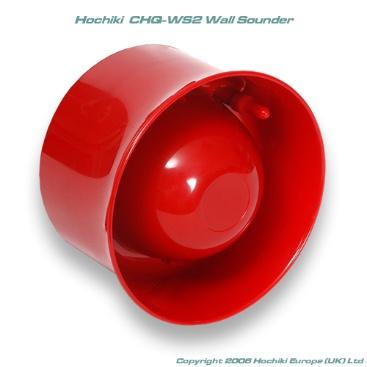
- Sounders, beacons and remote indicators: confirming correct operation.
- Alarm receiving centre (ARC) signalling: if your system is monitored by a receiving centre, you need to confirm that they receive the correct alarm signals.
- Interfaces: cause and effect needs to be established with connected systems such as plant shutdown, door holders, suppression release and the BMS.
- Building coverage: checking your zone plan and noting any building or operational changes that may affect your current detection system.
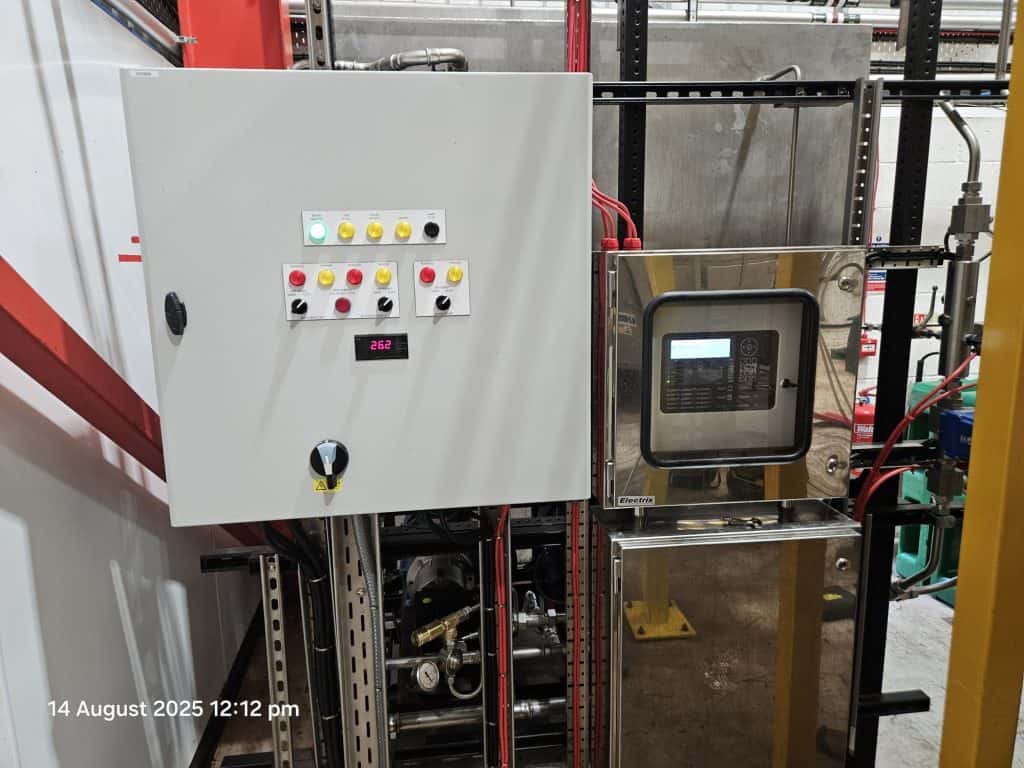
Servicing requirements can also vary by industry and environment. Environments such as a data hall with aspirating smoke detection or a food production plant where detectors are exposed to steam and grease require an engineer who understands how operating conditions can affect system performance.
Also, a good engineer will take time at the end of a service to take you through their inspection and answer any questions you may have.
What Does Bare-Minimum Fire Alarm Maintenance Look Like?
A filled-out certificate doesn’t guarantee a compliant system, and you can end up with a ‘serviced’ system without all of the above being checked properly. If you are concerned about the accuracy of your service, here are some red flags to watch out for:
- Only a small number of devices are tested, with no record of which ones.
- Batteries are visually checked but not load-tested or assessed for capacity.
- Interfaces and ARC signalling aren’t tested.
- There is no review of your logbook.
- You receive a certificate with no defects listed.
- A visit feels short in comparison to the size and complexity of your site.
- The engineer leaves without discussing their findings.
How Often Should a Fire Alarm Be Serviced?
The Regulatory Reform (Fire Safety) Order 2005 requires the responsible person to keep fire safety equipment in efficient working order and good repair. However, it does not say how often a fire alarm service should take place. This is where the relevant standards are important.
BS 5839
BS 5839-1:2025 is the code of practice for the design, installation, commissioning and maintenance of fire detection and alarm systems in non-domestic premises. It recommends that the period between inspection and servicing visits should not exceed six months. However, the 2025 update does allow for a one-month tolerance on either side of that cycle.
Does a facility’s ‘responsible person’ have any duties?
Between visits, site staff should carry out a weekly test of a different manual call point, recording the result in the logbook. Sites with harsher operating conditions or specific insurer requirements may require more frequent servicing.
What Defects Can Be Found During a Fire Alarm Service?
With fire alarm maintenance, there isn’t a formal pass or fail. The engineer simply records and prioritises defects and recommends remedial action. Common defects include:
- Detectors failing functionality tests
- Devices being obstructed or contaminated
- Batteries failing tests or reaching the end of their service life
- Wiring faults
What happens if you miss a fire alarm service?
Failure to maintain fire safety equipment adequately may contribute to enforcement action, while incomplete maintenance records may also create difficulties when demonstrating compliance to insurers or for future fire risk assessments. In both of these events, liability sits with the responsible person.
Operationally, a faulty alarm system can generate frequent false alarms, which can cause unplanned evacuations and costly downtime. Finally, without regular servicing, faults can go undetected until the system is needed.
What Should You Receive After a Maintenance Visit?
At the end of a visit, an engineer should present you with a servicing certificate referencing BS 5839-1 and a list of any defects with recommendations. Crucially, the engineer should also update your site’s logbook, as this documentation is something that insurers and fire risk assessors may ask to see in the event of a fire.
Who can service a fire alarm?
According to BS 5839-1, a fire alarm service should be carried out by a ‘competent person.’ BAFE certification can provide evidence that a fire alarm service provider has been independently assessed against the requirements of the relevant scheme. However, before hiring anyone, it is worth asking about their experience with your type of system and environment.
How Combat Fire Can Help
Combat Fire’s BAFE-certified engineers service fire detection and alarm systems to BS 5839-1 at facilities across the UK. Every visit is fully documented, and repairs and system upgrades can also be made in-house by the team that identified them. To arrange a service or request a quote, contact our team.
FAQs
Does the fire alarm need to be taken offline during a service?
Not entirely. An engineer will normally isolate the zones they’re testing and alert the ARC of the maintenance, so test signals are not treated as real alarms. Before leaving, the engineer will put the system back online.
What is the difference between a weekly test and a service?
The weekly test is carried out by site staff, and it involves a quick check of a different manual call point to ensure the panel responds and the alarm sounds. A service is carried out by a competent engineer at intervals not exceeding six months, and covers inspection and testing of the whole system. All tests and services need to be logged.
Can you service a fire alarm installed by another company?
Yes, in most cases. When taking over a system, a new servicing provider should review the installation and its documentation, and report any significant departures from BS 5839-1. Some control panels use closed protocols, which can restrict access to software and parts, so it is worth confirming the panel type before changing providers.