
At Combat Fire, we design, install and maintain compressed air foam systems for commercial and industrial sites across the UK, reducing water and foam concentrate consumption while maximising fire control. Compressed air foam systems (CAFS) inject compressed air into a foam concentrate solution, producing a dense, high-expansion foam that smothers fire and absorbs heat far more efficiently than water or conventional foam.

How Does CAFS Work As a Fire Fighting System?
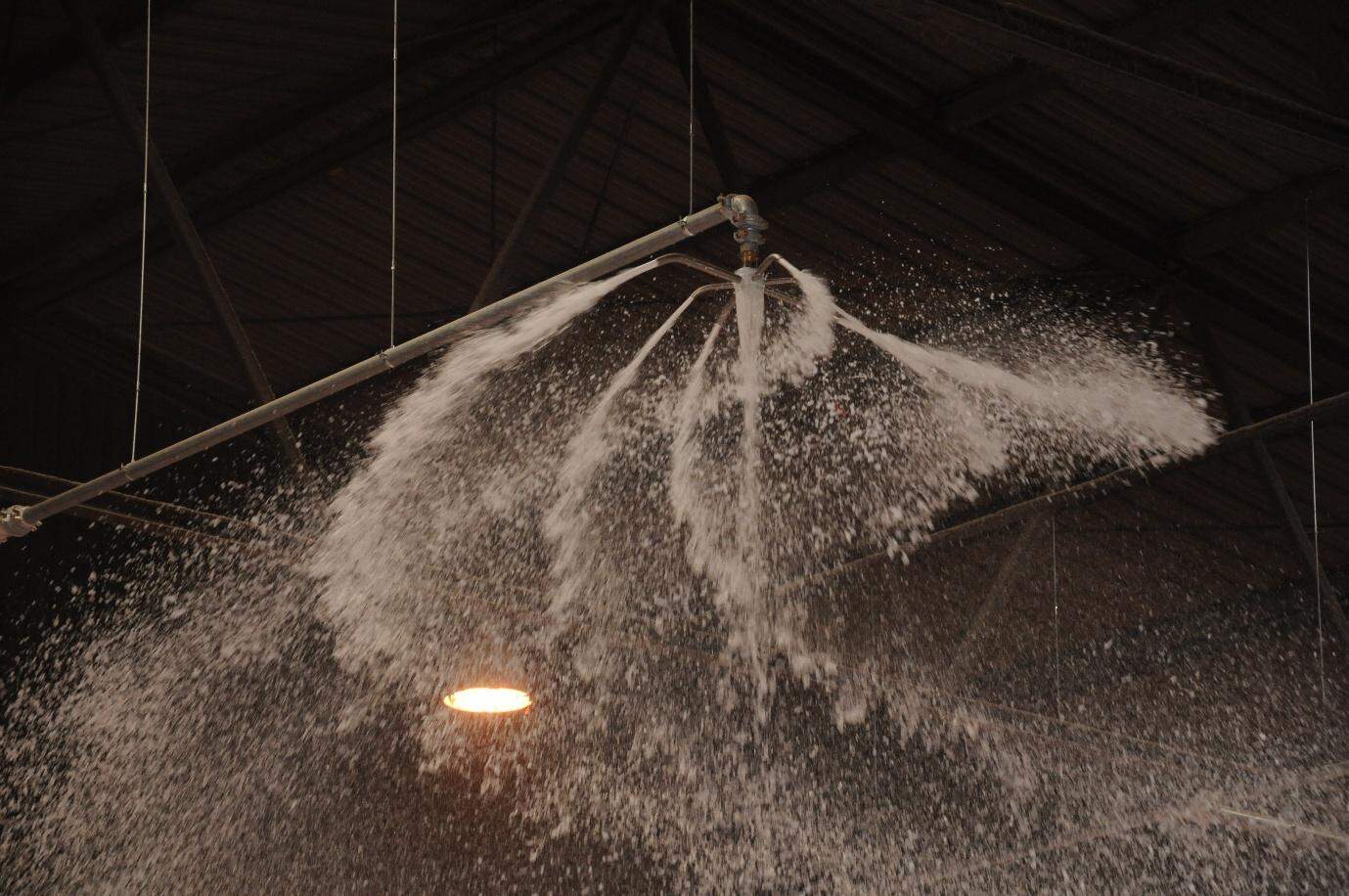
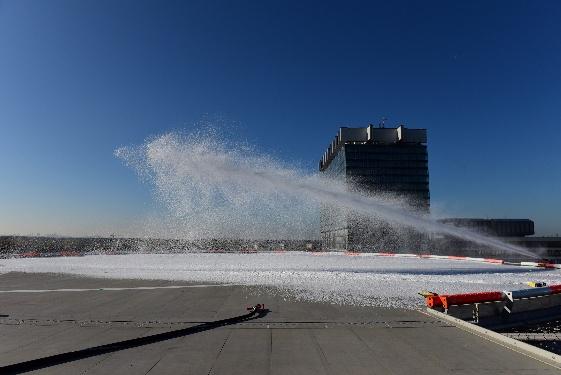
CAFS works by mixing water, foam concentrate and compressed air within engineered pipework, converting the majority of the foam solution into a homogeneous, small-bubble foam that’s discharged through fixed nozzles or monitors onto the fire.
Because compressed air foam expands more efficiently than conventional foam, it covers a larger area using less water and less foam concentrate. This reduces consumable cost and the volume of foam runoff generated during a discharge.
Our team has been working with advanced fire suppression systems for years, and we are experts in CAFS solutions that protect your business, your people, and your equipment. If you’re looking to protect your business with minimal damage to your property, CAFS systems could be the perfect thing for your business.
Our expertise ensures all of our compressed air foam systems meet all the latest British Standards and industry regulations so that you can experience proper protection even in challenging environments.
Air foam system suppression
Cooling: As the foam solution’s water content evaporates, it draws heat away from the fire, slowing combustion at the source.
Smothering: The foam forms a continuous blanket across the fuel surface, cutting the fire off from oxygen and preventing reignition once the flame is out.
Insulation: Air trapped within the foam’s bubble structure insulates the fuel surface and reflects radiant heat, slowing the spread of fire to surrounding materials.
Commercial Compressed Air Foam Systems For Every Industry
Every business carries its own fire risk profile; that’s why we design compressed air foam systems around your site’s specific needs.
Whether you need a compressed air foam system to protect a single plant room or a large-scale installation across a multi-site facility, we scale our designs to match your risk profile.
Why Choose Combat Fire for CAFS?
When you work with us for compressed air foam systems, you’re guaranteed fully compliant systems coupled with practical advice from experienced fire safety specialists. We work with you to ensure you get the best solution for your unique needs and your specialised industries. We also provide regular servicing to ensure your CAFS solutions are always working at their best.
How Much Does a Compressed Air Foam System Cost?
Compressed air foam systems typically cost more to install than a conventional sprinkler or foam-water system, due to the air compressor, proportioning equipment and engineered pipework required to generate and deliver the foam. However, compressed air foam converts a higher proportion of the foam solution into finished foam than conventional foam systems. That means less water and foam concentrate is needed to cover the same area, reducing consumable costs and foam runoff over the system’s operating life.
There are no set prices, and the cost of a compressed air foam system depends on many factors.
Cost factor breakdown
Size and layout: Larger or more complex sites need more pipework, nozzles and generating capacity.
Foam concentrate type: Different foam concentrates suit different fire risk categories and vary in cost.
Compressor and proportioning equipment: The air compressor and proportioning system are sized to the site’s discharge demand and affect the upfront cost.
Ongoing maintenance: Annual proportioner testing and foam concentrate checks, required under BS EN 13565, affect the total cost of ownership beyond the installation price.
Because every site is different, the most accurate way to understand costs is to book a consultation with Combat Fire so someone on our team can assess your space and risk profile.
Complete CAFS Solutions With Combat Fire
At Combat Fire, we provide your business with a wide range of foam fire suppression systems to create a mist for quick and comprehensive fire control.
CAFS is particularly effective for Class A & B fire risks, so it’s perfect for industrial facilities and hazardous environments.
Our team offers full design, installation and servicing so that your CAFS solution is tailored specifically to your business.
Get A Quote
Our Clients
Compressed Air Foam Systems FAQs
How are compressed air foam systems different from traditional sprinklers?
Compressed air foam systems suppress fire by smothering and insulating the fuel surface, not just cooling it with water. This makes them more effective on flammable liquid fires and fires where reignition is a risk. Using compressed air also significantly reduces the amount of water and foam concentrate needed, compared to a conventional foam-water system.
How much does a compressed air foam system cost?
Cost depends on site size and layout, foam concentrate type, compressor and proportioning equipment, and ongoing servicing needs. For an accurate figure, book a free consultation, and we’ll assess your site.
What British standards do compressed air foam systems have to meet?
Fixed foam firefighting systems in the UK are covered by BS EN 13565, which sets requirements for the design, construction, maintenance and annual testing of foam systems.
Are there different types of foam concentrate?
Yes. Foam concentrates vary by manufacturer and are selected to suit the specific fuel type and risk category of your site. Our team specifies the right concentration as part of the system design process.
Is there a Class A vs Class B consideration?
Yes. Class A foam is designed for ordinary combustibles (wood, paper, textiles) and works by reducing water’s surface tension, allowing it to penetrate the fuel. Class B foam is designed for flammable liquid fires (fuels, oils, solvents) and works by creating a film or blanket over the liquid surface to smother it and suppress vapour. The right classification depends on what’s actually being protected on your site, which is why this is assessed during design rather than applied generically.